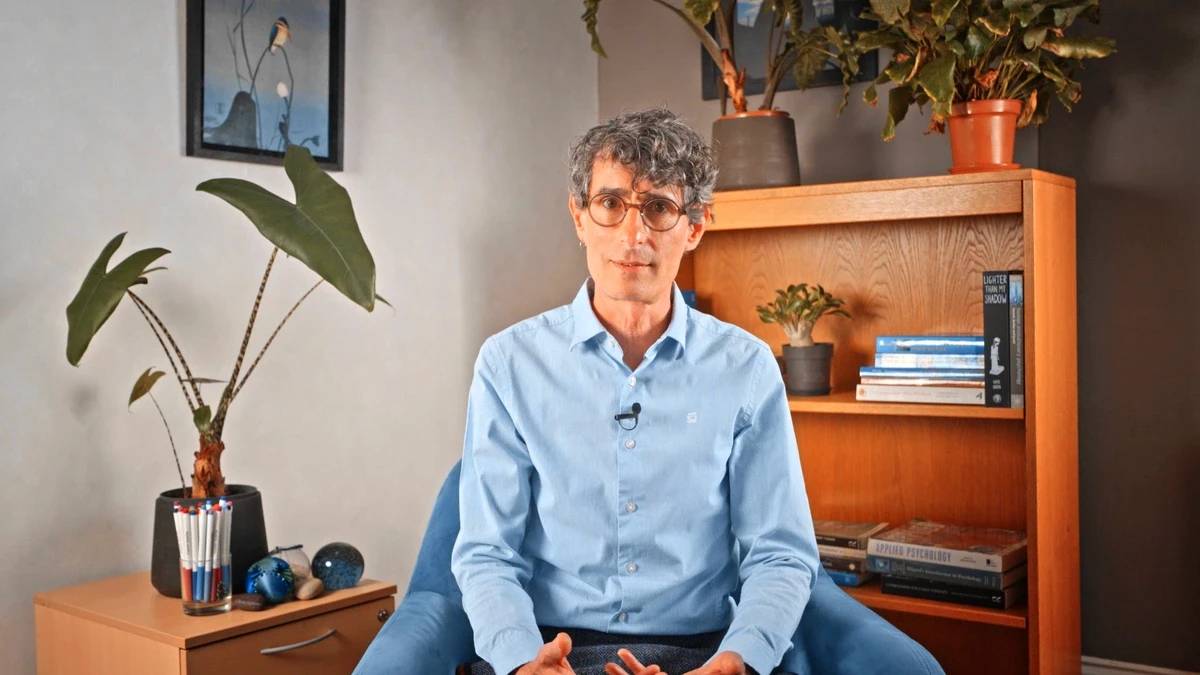
Working with Dr. Will Devlin
#1
#1
Understanding your tricky brain
Understanding your tricky brain
Understanding your tricky brain
How old-brain and new-brain loops keep your mind active, especially when you’re trying to sleep.
CFT
Post Video Reflection
Post Video Reflection
Notice
When your brain goes into “better safe than sorry” mode, what does it start predicting, checking or trying to prevent around sleep?
When your brain goes into “better safe than sorry” mode, what does it start predicting, checking or trying to prevent around sleep?
Try
Try
Map one tricky brain loop you have around sleep: what thought starts it, what feeling follows, and what do you do next?
Map one tricky brain loop you have around sleep: what thought starts it, what feeling follows, and what do you do next?
Live
Live
What would you do differently if you recognised “better safe than sorry” as your brain’s alarm, rather than a command?
What would you do differently if you recognised “better safe than sorry” as your brain’s alarm, rather than a command?
I've answered these (e.g. in my notebook)
Session Recap
01
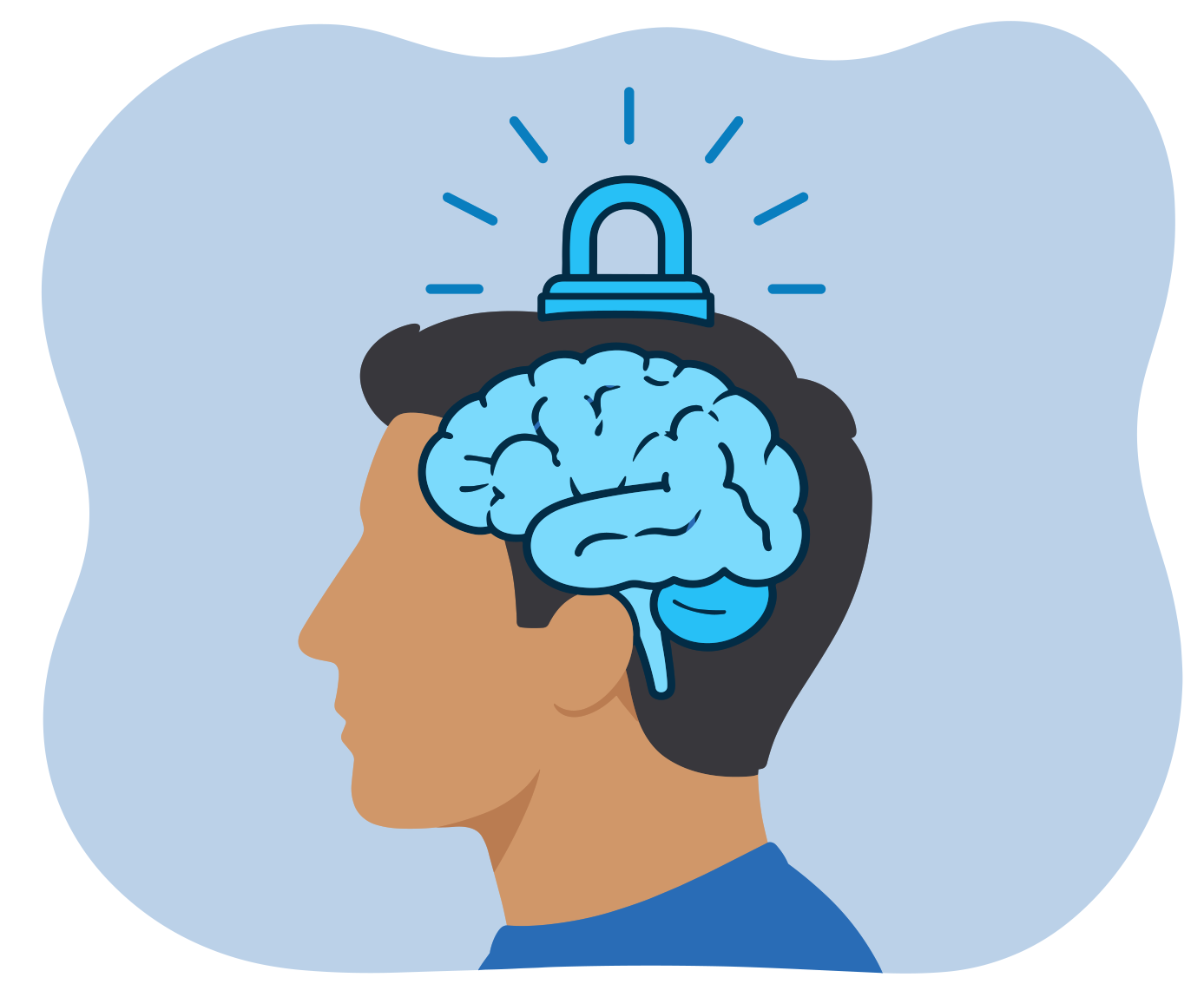
Sleep can trigger false alarms
The brain follows a “better safe than sorry” principle. Once sleeplessness is identified as a threat by the brain, it may raise the alarm when awake, even when you are physically safe in bed.
01
Sleep can trigger false alarms
The brain follows a “better safe than sorry” principle. Once sleeplessness is identified as a threat by the brain, it may raise the alarm when awake, even when you are physically safe in bed.
02
Wakefulness can register as danger
If being awake becomes associated with tomorrow going badly or being hard, the brain can begin treating wakefulness itself as something dangerous that must be prevented.
02
Wakefulness can register as danger
If being awake becomes associated with tomorrow going badly or being hard, the brain can begin treating wakefulness itself as something dangerous that must be prevented.
03
Sleep worry activates survival mode
Thoughts about not sleeping can trigger the the threat system and hence fear, frustration and vigilance, alongside fight, flight, freeze or avoidance responses. The resulting tension and wakefulness then appear to confirm that there is a problem, producing further worry.
03
Sleep worry activates survival mode
Thoughts about not sleeping can trigger the the threat system and hence fear, frustration and vigilance, alongside fight, flight, freeze or avoidance responses. The resulting tension and wakefulness then appear to confirm that there is a problem, producing further worry.
Next Session
Training your attention
Training your attention
Using attention and mindfulness to step out of loops instead of getting pulled deeper in.
Using attention and mindfulness to step out of loops instead of getting pulled deeper in.
An ACT & CFT based approach helping you to improve your relationship with sleep.
Sluzzle offers educational help for everyday sleep challenges and isn’t designed for medical sleep disorders.
©2026 Sluzzle - All rights reserved. Address: 3rd Floor, 86-90 Paul Street, London, EC2A 4NE
An ACT & CFT based approach helping you to improve your relationship with sleep.
Sluzzle offers educational help for everyday sleep challenges and isn’t designed for medical sleep disorders.
©2026 Sluzzle - All rights reserved. Address: 3rd Floor, 86-90 Paul Street, London, EC2A 4NE
An ACT & CFT based approach helping you to improve your relationship with sleep.
Sluzzle offers educational help for everyday sleep challenges and isn’t designed for medical sleep disorders.
©2026 Sluzzle - All rights reserved. Address: 3rd Floor, 86-90 Paul Street, London, EC2A 4NE